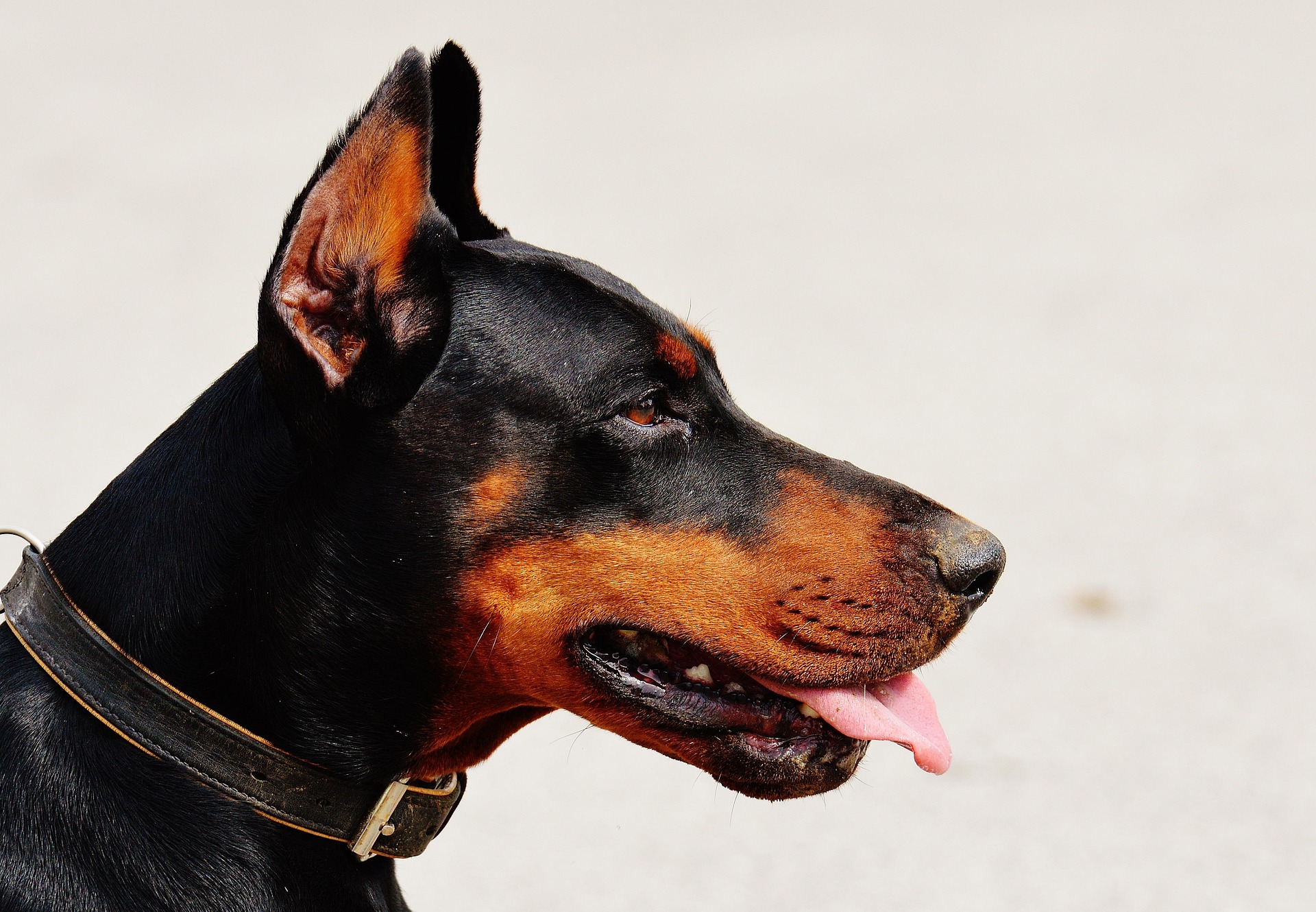
Bringing home a new puppy is an exciting experience, but keeping your new best friend healthy starts with one of the most important responsibilities of pet ownership—following a proper puppy vaccination schedule. Vaccinations help protect puppies from serious and potentially life-threatening diseases while also reducing the spread of contagious illnesses to other dogs.
If you’re wondering when puppies need vaccinations, what shots puppies need, or how often puppies should get vaccinated, this guide explains everything you need to know.
Why Are Puppy Vaccinations Important?
A puppy’s immune system is still developing during the first months of life. While puppies receive some protection from their mother’s antibodies, that protection gradually fades, leaving them vulnerable to dangerous viruses and bacteria.
Core puppy vaccines help protect against diseases such as:
- Canine Parvovirus
- Canine Distemper
- Canine Adenovirus (Hepatitis)
- Rabies
Many veterinarians also recommend additional non-core vaccines based on your puppy’s lifestyle, geographic location, and risk of exposure.
Keeping your puppy’s vaccinations up to date is one of the best ways to help them live a long, healthy life.
Puppy Vaccination Schedule
Although your veterinarian may recommend a slightly different schedule, a typical puppy vaccination timeline looks like this:
6–8 Weeks
- First DHPP (Distemper, Hepatitis, Parainfluenza, Parvovirus)
- Initial health examination
- Deworming if needed
10–12 Weeks
- Second DHPP booster
- Bordetella vaccine (if recommended)
- Leptospirosis vaccine in some areas
14–16 Weeks
- Final DHPP booster
- Rabies vaccine (required by law in many locations)
- Additional lifestyle vaccines if recommended
Around 12 Months
- Booster vaccinations
- Annual wellness examination
After the first year, your veterinarian will recommend a vaccination schedule based on your dog’s age, health, and local regulations.
What Diseases Do Puppy Vaccines Protect Against?
Canine Parvovirus
Parvovirus is one of the most serious diseases affecting puppies. It attacks the digestive system and can cause severe vomiting, diarrhea, dehydration, and, without prompt veterinary care, may become life-threatening.
Canine Distemper
Distemper affects the respiratory, digestive, and nervous systems. It is highly contagious and can cause permanent neurological damage in surviving dogs.
Canine Adenovirus
This virus can affect the liver, kidneys, eyes, and respiratory system.
Rabies
Rabies is a fatal viral disease that affects the brain and nervous system. Vaccination is legally required in many states and helps protect both pets and people.
Can Puppies Go Outside Before They Finish Their Vaccines?
Many new puppy owners ask this question.
Puppies should avoid high-risk public areas where unknown dogs may have been until your veterinarian advises that their vaccination series provides adequate protection.
However, puppies still benefit from safe socialization experiences. Controlled interactions with healthy, vaccinated dogs and clean environments can help puppies develop confidence while minimizing health risks.
Always discuss safe socialization with your veterinarian.
Are Puppy Vaccines Safe?
For most puppies, vaccines are very safe and provide protection that greatly outweighs the risk of side effects.
Mild reactions may include:
- Temporary tiredness
- Mild soreness at the injection site
- Reduced appetite for a day
- Mild fever
Serious allergic reactions are uncommon but require immediate veterinary attention. Contact your veterinarian immediately if your puppy develops facial swelling, difficulty breathing, repeated vomiting, collapse, or severe lethargy after vaccination.
Tips for Puppy Owners
- Keep all vaccination records in a safe place.
- Attend every scheduled booster appointment.
- Follow your veterinarian’s recommendations for your area.
- Continue regular wellness examinations throughout your dog’s life.
- Ask your veterinarian about parasite prevention, flea control, and heartworm prevention.
Frequently Asked Questions
At what age do puppies get their first shots?
Most puppies receive their first vaccinations between 6 and 8 weeks of age, although the exact timing depends on their health, previous care, and your veterinarian’s recommendations.
How many puppy vaccinations are needed?
Most puppies receive a series of vaccinations every few weeks until they are approximately 16 weeks old, followed by booster vaccinations around one year of age.
Can I skip puppy vaccinations?
Vaccinations protect puppies against several serious and preventable diseases. Skipping recommended vaccines may increase the risk of illness and could also affect boarding, grooming, training, or daycare requirements.
Final Thoughts
Following a recommended puppy vaccination schedule is one of the most important steps in raising a healthy dog. Staying current on your puppy’s vaccines helps protect your pet, other animals, and your community.
If you’ve recently welcomed a new puppy into your family, work closely with your veterinarian to create a vaccination plan that’s appropriate for your puppy’s age, breed, health, and lifestyle.
Disclosure
The information provided in this article is for educational and informational purposes only and should not be considered veterinary advice, medical advice, diagnosis, or treatment. Vaccination recommendations may vary depending on your dog’s age, breed, health status, geographic location, local laws, and your veterinarian’s professional judgment. Always consult a licensed veterinarian regarding your puppy’s health, vaccination schedule, and any medical concerns before making decisions about your pet’s care.
Related Posts