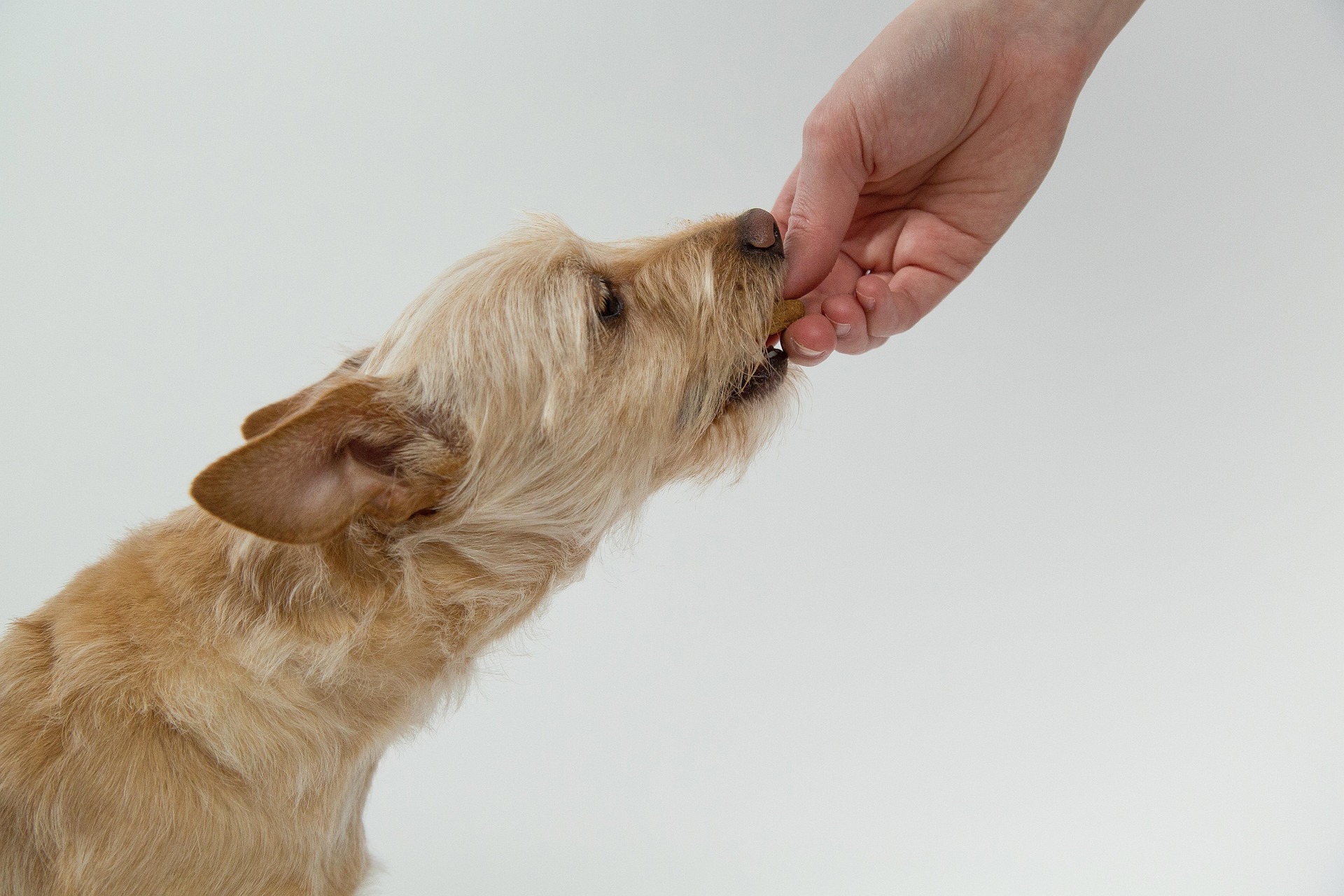
Few treats make dogs happier than a spoonful of peanut butter.
Whether you’re filling a chew toy, hiding medication, or rewarding good behavior, peanut butter for dogs has become one of the most popular treats among pet owners.
But before you let your dog enjoy another lick, there’s something important you need to know.
While dogs can eat peanut butter, not every jar is safe. Some peanut butter products contain ingredients that can be extremely dangerous for dogs.
Here’s everything you need to know before sharing this favorite snack.
Is Peanut Butter Safe for Dogs?
Yes—most dogs can eat peanut butter in moderation.
Natural peanut butter is rich in protein, healthy fats, vitamin E, vitamin B, and niacin, making it a tasty occasional reward.
However, the ingredient list matters far more than the brand name.
Before giving peanut butter to your dog, always read the label carefully.
The One Ingredient That Can Be Deadly
If there’s one thing every dog owner should remember, it’s this:
Never give your dog peanut butter containing xylitol.
Xylitol is a sugar substitute commonly found in sugar-free products.
Even a small amount can cause:
- A sudden drop in blood sugar
- Weakness
- Vomiting
- Loss of coordination
- Seizures
- Liver failure
If you suspect your dog has eaten xylitol peanut butter, contact your veterinarian or an emergency animal hospital immediately.
How Much Peanut Butter Can Dogs Eat?
Like any treat, moderation is important.
Peanut butter is high in calories and fat.
Too much can contribute to:
- Weight gain
- Digestive upset
- Obesity
- Pancreatitis in sensitive dogs
As a general guideline:
- Small dogs: about half a teaspoon
- Medium dogs: one teaspoon
- Large dogs: one tablespoon
Treats should make up only a small portion of your dog’s daily calorie intake.
Why Dogs Love Peanut Butter
Dogs don’t care about brand names or fancy packaging.
They love peanut butter because it’s:
- Rich in natural oils
- Strong-smelling
- Easy to lick
- Full of flavor
- Fun to eat slowly
Its sticky texture also makes it perfect for enrichment toys that keep dogs entertained longer.
The Best Ways to Serve Peanut Butter
Peanut butter can be more than just a treat.
Many owners use it to:
- Fill puzzle toys
- Stuff rubber chew toys
- Reward training sessions
- Hide medications
- Freeze inside enrichment toys for hot summer days
Used correctly, peanut butter can provide both mental stimulation and positive reinforcement.
Can Puppies Eat Peanut Butter?
Healthy puppies can usually enjoy small amounts of dog-safe peanut butter after they’ve transitioned to solid food.
Start with a tiny amount to make sure your puppy tolerates it well.
Because puppies have sensitive digestive systems, it’s always best to introduce new foods gradually.
Choosing the Best Peanut Butter for Dogs
Not all peanut butter is created equal.
When shopping, look for products with:
- Peanuts as the primary ingredient
- No xylitol
- No artificial sweeteners
- Low sodium
- No chocolate
- Minimal added sugar
Many pet stores also sell peanut butter made specifically for dogs.
Signs Your Dog Ate Too Much Peanut Butter
Although peanut butter is generally safe, too much can cause digestive problems.
Watch for:
- Vomiting
- Diarrhea
- Stomach discomfort
- Loss of appetite
- Lethargy
Most mild cases resolve quickly, but persistent symptoms should always be evaluated by a veterinarian.
Can Peanut Butter Cause Allergies?
Food allergies in dogs are relatively uncommon, but they do occur.
If your dog tries peanut butter for the first time, monitor them for signs such as:
- Itching
- Swelling
- Hives
- Vomiting
- Difficulty breathing
Although rare, severe allergic reactions require immediate veterinary care.
Is Crunchy Peanut Butter Safe?
Both creamy and crunchy peanut butter are generally safe for healthy adult dogs as long as they don’t contain xylitol.
However, creamy peanut butter is often recommended for puppies, senior dogs, and small breeds because it’s easier to eat.
A Simple Habit That Protects Your Dog
Reading ingredient labels only takes a few seconds.
That simple habit could prevent a medical emergency.
Whenever you buy a new jar, check the ingredient list before sharing it with your dog—even if you’ve purchased the brand before, as recipes can change over time.
Dogs can eat peanut butter, and for most healthy dogs it can be a delicious and rewarding treat. The most important rule is to choose a peanut butter that does not contain xylitol or other harmful ingredients. Offer small portions, avoid overfeeding, and always use peanut butter as an occasional treat rather than a meal replacement.
With the right choice, peanut butter can be one of your dog’s favorite rewards while remaining a safe part of a balanced diet.
Disclaimer
This article is intended for educational and informational purposes only and should not be considered veterinary advice, diagnosis, or treatment. Every dog has unique nutritional needs, medical conditions, and dietary sensitivities. Always consult a licensed veterinarian before making significant changes to your dog’s diet. If your dog accidentally consumes peanut butter containing xylitol or shows signs of illness after eating peanut butter, seek immediate veterinary care.
Related Posts