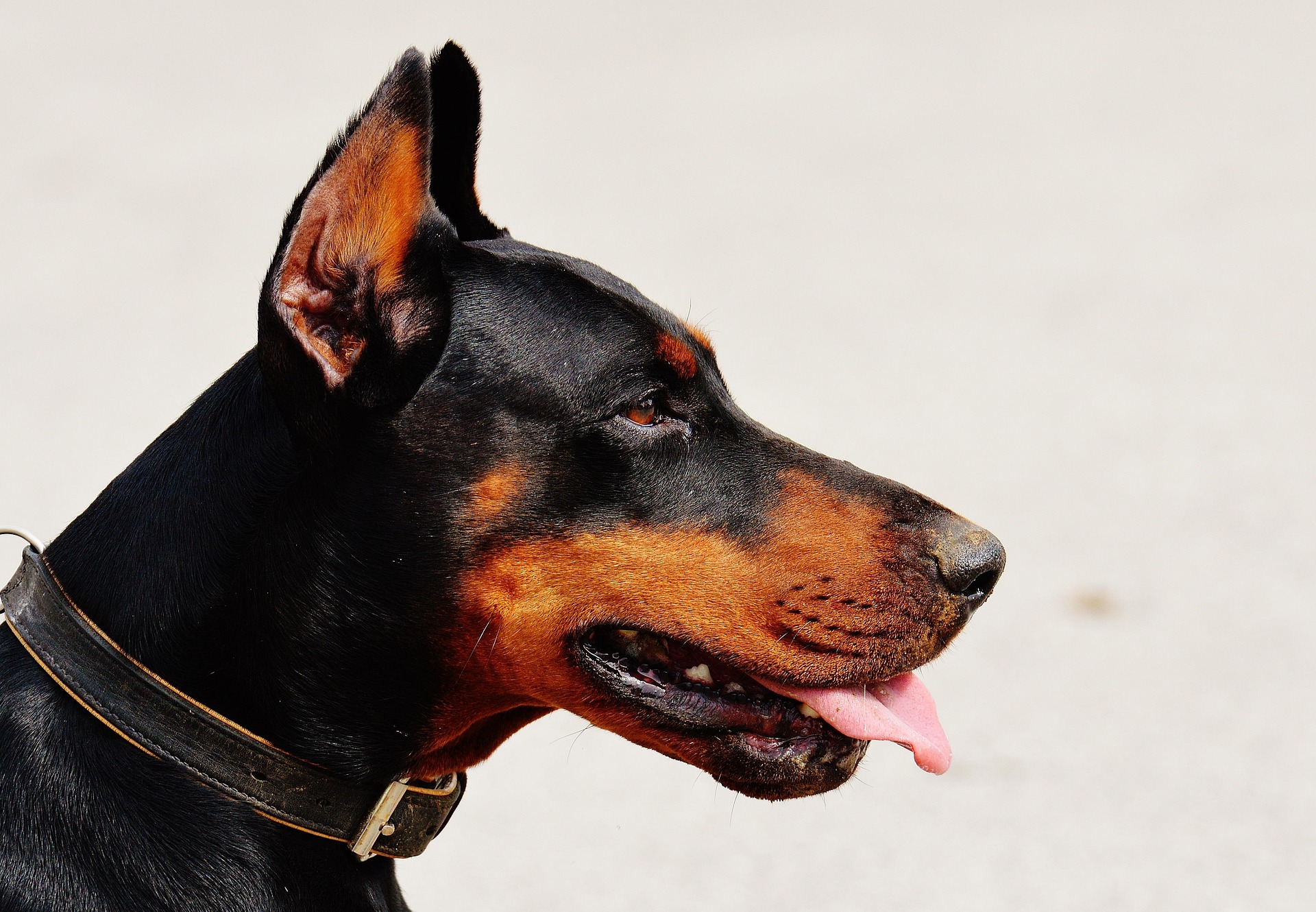
If you’ve ever enjoyed a slice of juicy watermelon on a hot summer day, you’ve probably wondered, “Can dogs eat watermelon?” It’s one of the most searched questions by dog owners, especially during warm weather.
The good news is that watermelon is safe for dogs when served correctly. In fact, watermelon for dogs can be a refreshing, low-calorie treat packed with water, vitamins, and antioxidants.
However, there are a few important precautions every dog owner should know before sharing this popular fruit.
Can Dogs Eat Watermelon?
Yes! Dogs can eat watermelon as long as it is served properly.
Fresh, ripe watermelon is:
- Low in calories
- High in water
- Fat-free
- Cholesterol-free
- Rich in vitamins
Because watermelon contains more than 90% water, many pet owners use it as a healthy summer snack for their dogs.
Is Watermelon Good for Dogs?
Yes, watermelon can be good for dogs when offered in moderation.
Some of the nutrients found in watermelon include:
- Vitamin A
- Vitamin C
- Vitamin B6
- Potassium
- Fiber
- Lycopene
These nutrients help support your dog’s overall health while providing a naturally sweet treat.
Watermelon Helps Keep Dogs Hydrated
One of the biggest benefits of watermelon for dogs is hydration.
During hot weather, dogs can lose fluids quickly while playing or exercising outdoors.
Because watermelon contains so much water, it can help provide extra hydration alongside fresh drinking water.
Remember, watermelon should never replace your dog’s regular water supply.
Can Puppies Eat Watermelon?
Yes, puppies can eat watermelon in small amounts.
Introduce only a few small pieces at first and monitor your puppy for any digestive upset.
Because puppies have sensitive stomachs, new foods should always be introduced gradually.
Remove the Seeds First
One of the most important safety rules is removing the seeds.
Black watermelon seeds may create a choking hazard, especially for small dogs.
Eating large numbers of seeds may also increase the risk of digestive blockage.
Whenever possible, choose seedless watermelon or remove all visible seeds before serving.
Can Dogs Eat Watermelon Rind?
No.
The watermelon rind is much tougher than the fruit inside.
It can be difficult to digest and may lead to:
- Stomach upset
- Vomiting
- Diarrhea
- Intestinal blockage
Always feed only the soft, red flesh of the watermelon.
How Much Watermelon Can Dogs Eat?
Although watermelon is safe for dogs, it should still be considered a treat.
General serving guidelines include:
Small dogs
A few bite-sized cubes.
Medium dogs
Several small chunks.
Large dogs
A handful of watermelon pieces.
Treats should generally make up no more than 10% of your dog’s daily calories.
Frozen Watermelon Makes a Great Summer Treat
Many dogs love frozen watermelon.
Simply cut seedless watermelon into cubes and freeze it.
Frozen watermelon can help dogs cool down during hot summer days while providing a refreshing snack.
Some owners also blend watermelon into homemade frozen dog treats.
Signs Your Dog Ate Too Much Watermelon
Too much fruit may upset your dog’s stomach.
Watch for symptoms such as:
- Diarrhea
- Vomiting
- Gas
- Bloating
- Reduced appetite
Most mild digestive upset improves within a day, but severe or persistent symptoms should be evaluated by a veterinarian.
Fruits Dogs Can Safely Eat
If your dog enjoys watermelon, other dog-safe fruits include:
- Apples (without seeds)
- Blueberries
- Bananas
- Strawberries
- Mango (without the pit)
- Pineapple
- Pears (without seeds)
Always introduce new foods slowly and in moderation.
Fruits Dogs Should Avoid
Not every fruit is safe.
Never feed your dog:
- Grapes
- Raisins
- Cherries (pits)
- Avocados in large amounts
- Fruit containing xylitol or artificial sweeteners
If you’re unsure whether a fruit is safe, ask your veterinarian before offering it to your dog.
Can Watermelon Replace Dog Food?
No.
While watermelon for dogs is a healthy treat, it does not provide the balanced nutrition dogs need every day.
Your dog’s primary diet should always consist of a complete and balanced dog food appropriate for their age, breed, and activity level.
Think of watermelon as an occasional reward—not a meal.
Can dogs eat watermelon? Yes. Watermelon is safe for dogs when served without seeds or rind and offered in moderation. It’s refreshing, hydrating, low in calories, and full of vitamins, making it one of the best fruits for dogs during warm weather. As with any new food, introduce watermelon gradually and watch for any signs of digestive upset.
By preparing it properly, you can safely let your dog enjoy this delicious summer favorite.
Disclaimer
This article is provided for educational and informational purposes only and should not be considered veterinary advice, diagnosis, or treatment. Every dog has different nutritional needs and medical conditions. Before introducing new foods into your dog’s diet, consult your veterinarian, especially if your dog has diabetes, digestive disorders, food allergies, or other health concerns. If your dog develops vomiting, diarrhea, choking, or unusual symptoms after eating watermelon, seek veterinary care promptly.
Related Posts