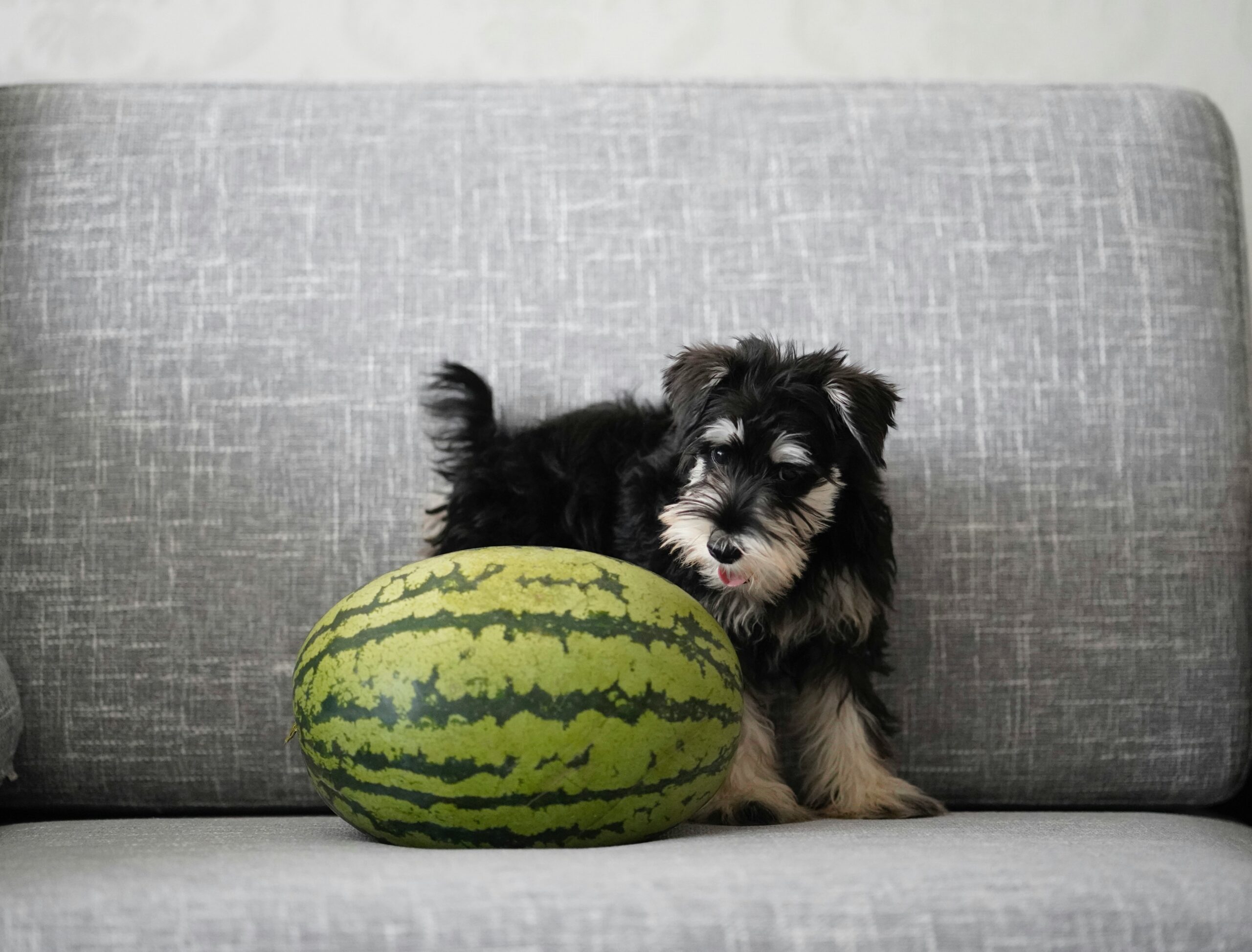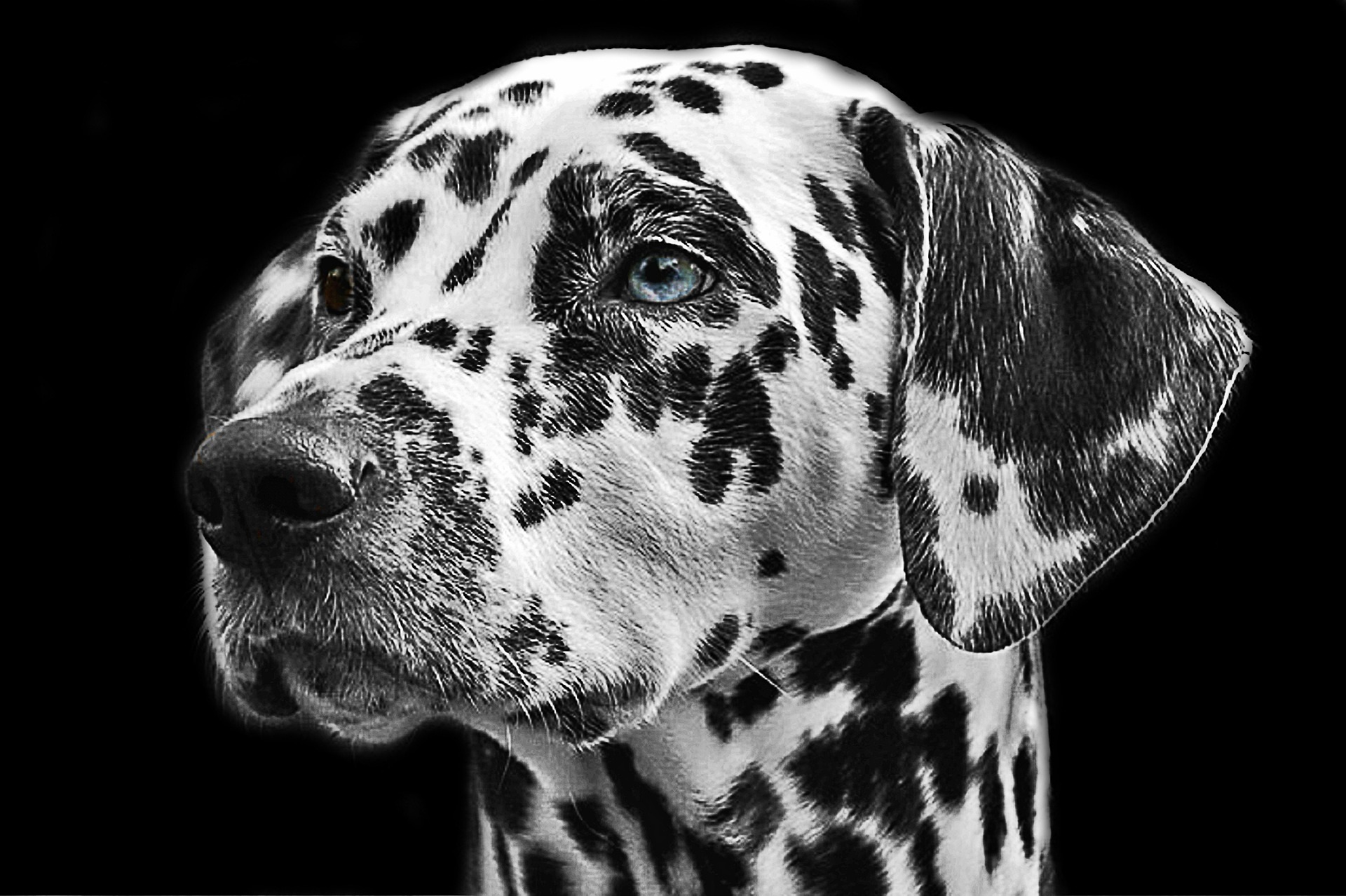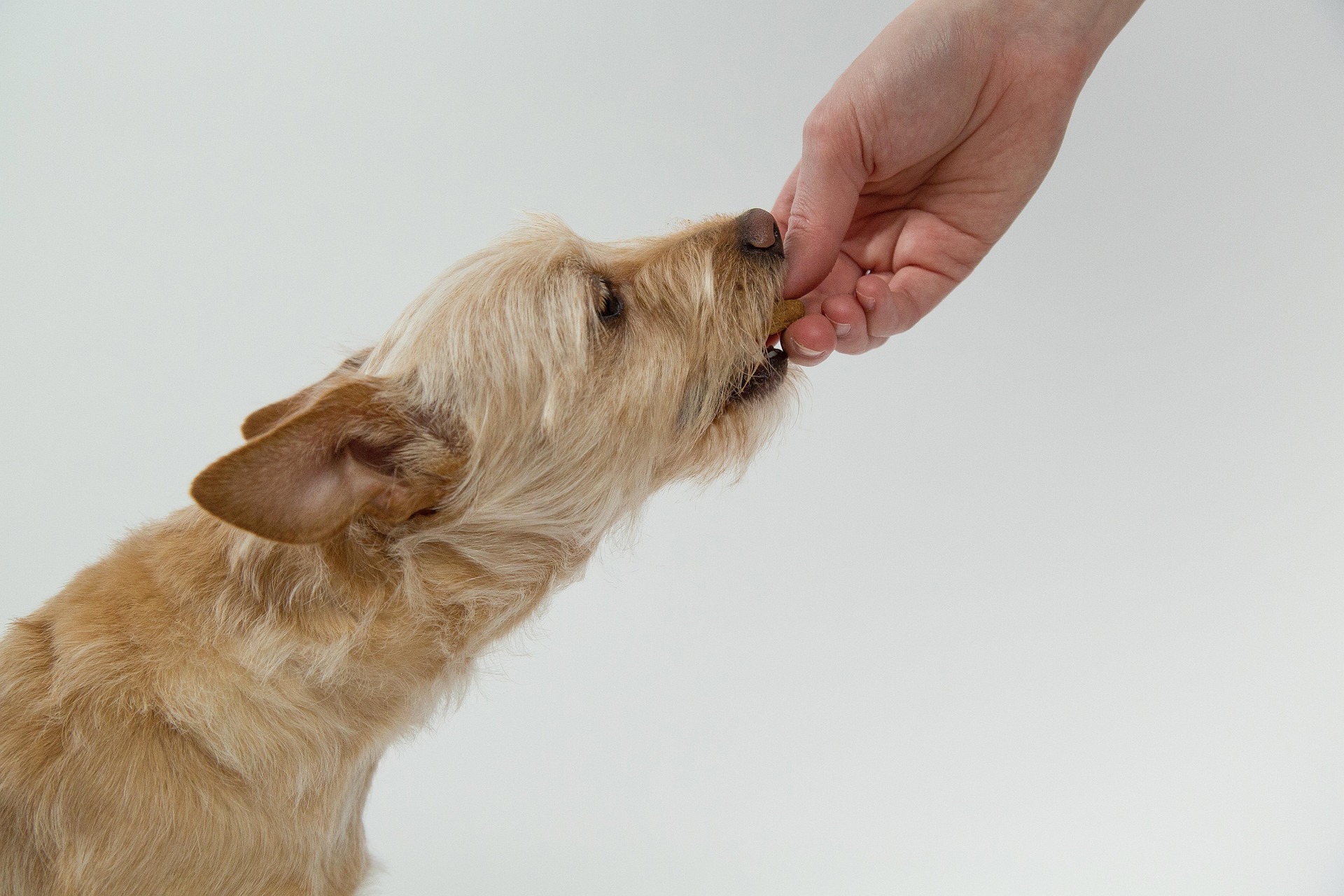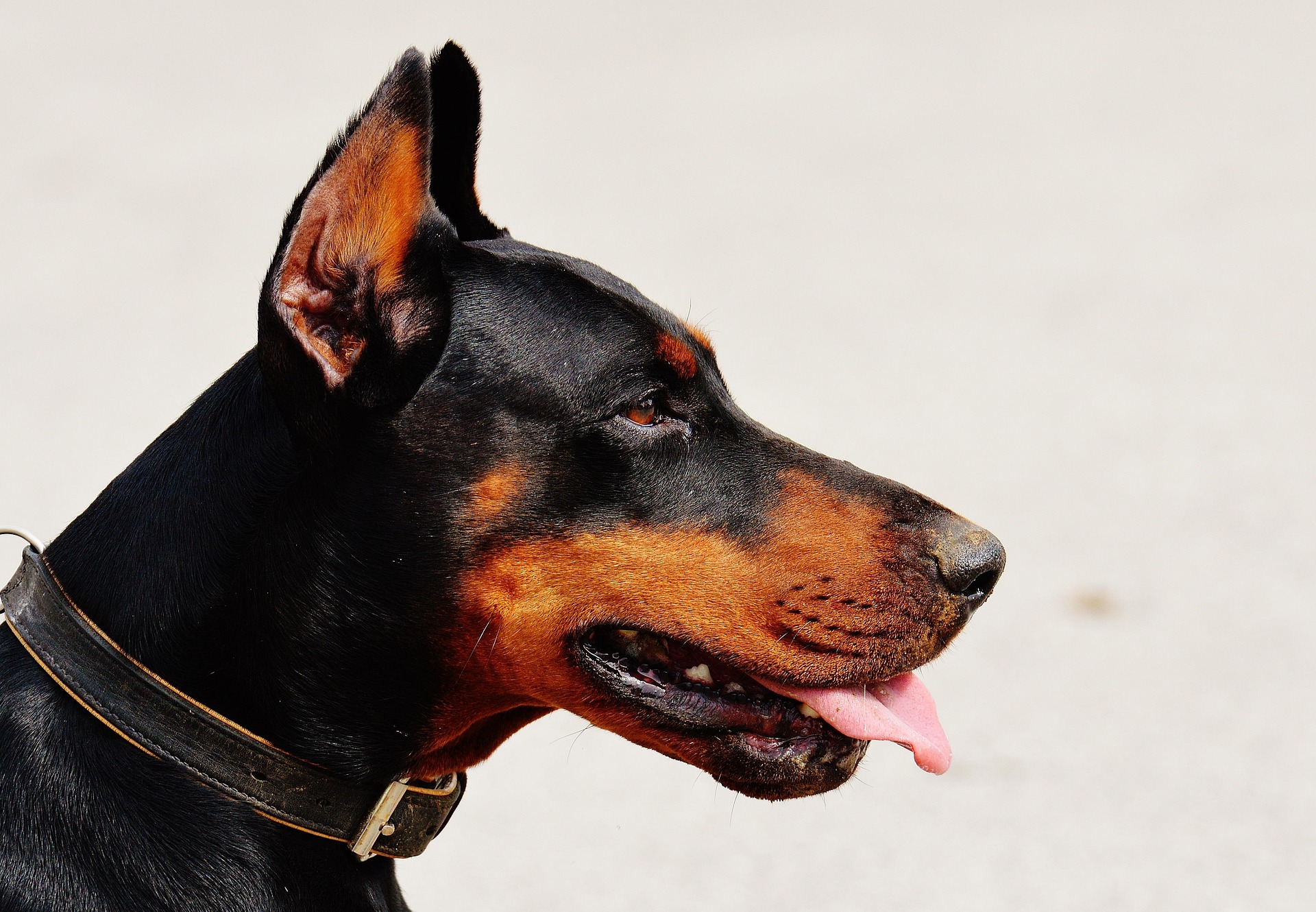
Have you noticed your dog panting more than usual? If you’re wondering, “Why is my dog panting?”, you’re asking one of the most common questions dog owners search online.
Panting is completely normal for dogs in many situations. Unlike humans, dogs don’t sweat through most of their body. Instead, dogs pant to help regulate their body temperature and cool themselves down.
However, excessive dog panting can sometimes be a sign of stress, pain, overheating, or an underlying medical condition.
Understanding the difference between normal and abnormal dog panting can help you know when your dog simply needs a break—and when it’s time to call your veterinarian.
Dogs Pant to Cool Down
The most common reason for dog panting is simple: they’re trying to cool off.
Dogs release heat by rapidly moving air across their tongue and upper airways. This process helps lower body temperature, especially after exercise or during warm weather.
If your dog has been playing outside or taking a long walk, panting is usually expected.
Once they cool down and rest, the panting should gradually slow.
Exercise Naturally Causes Panting
Running, playing fetch, hiking, or even an exciting trip to the park can leave your dog breathing heavily.
Healthy dog panting after exercise should improve after several minutes of rest and access to fresh water.
If your dog continues panting long after activity has ended, it’s worth paying closer attention.
Hot Weather Can Cause Heavy Panting
Summer temperatures can quickly become dangerous for dogs.
Some breeds are especially sensitive to heat, including:
- Bulldogs
- Pugs
- Boxers
- French Bulldogs
- Boston Terriers
Never leave a dog inside a parked vehicle, even for a few minutes.
Heatstroke can develop rapidly and becomes a medical emergency.
Excitement Can Make Dogs Pant
Sometimes your dog isn’t hot at all.
They’re simply excited.
Many dogs begin panting when:
- Visitors arrive
- They see their leash
- It’s time for dinner
- They meet another dog
- They’re about to go for a ride
Excitement-related panting usually disappears once your dog calms down.
Stress and Anxiety
Just like people breathe differently when they’re nervous, anxious dogs often pant more heavily.
Common causes include:
- Thunderstorms
- Fireworks
- Veterinary visits
- Traveling
- Loud noises
- Separation anxiety
If your dog pants mainly during stressful situations, anxiety may be the underlying cause.
Pain Can Trigger Panting
Dogs often hide pain remarkably well.
One of the earliest signs that something may be wrong is heavy panting without obvious exercise or heat.
Other signs of pain may include:
- Limping
- Restlessness
- Whining
- Refusing food
- Difficulty standing
- Reluctance to climb stairs
Any sudden change in behavior deserves attention.
Certain Medical Conditions
Persistent dog panting may sometimes be linked to health problems such as:
- Heart disease
- Lung disease
- Cushing’s disease
- Fever
- Anemia
These conditions often produce additional symptoms beyond panting alone.
Your veterinarian can determine the underlying cause through examination and diagnostic testing.
Some Medications Increase Panting
Certain medications naturally cause increased panting.
Examples include some:
- Steroids
- Pain medications
- Anti-inflammatory drugs
If your dog recently started a new medication and begins panting more frequently, discuss it with your veterinarian.
Never stop prescribed medication without professional guidance.
Older Dogs May Pant More
Senior dogs sometimes pant more than younger dogs.
Age-related causes include:
- Arthritis
- Reduced heart function
- Lung disease
- Cognitive decline
- Chronic pain
While occasional panting can be normal, persistent changes should always be evaluated.
Heatstroke Is an Emergency
One of the most dangerous causes of excessive dog panting is heatstroke.
Warning signs include:
- Extremely heavy panting
- Bright red gums
- Weakness
- Vomiting
- Collapse
- Confusion
- Drooling
Move your dog to a cool area immediately and contact an emergency veterinarian without delay.
When Should You Call Your Veterinarian?
Although dog panting is often normal, seek veterinary care if:
- Panting starts suddenly without exercise.
- Your dog pants constantly while resting.
- Panting is accompanied by coughing.
- Your dog struggles to breathe.
- Your dog collapses.
- The gums appear blue, gray, or very pale.
- Your dog becomes unusually weak or confused.
Prompt evaluation can identify serious medical conditions before they become life-threatening.
Helping Your Dog Stay Comfortable
You can reduce normal panting by:
- Providing unlimited fresh water.
- Avoiding exercise during the hottest hours.
- Offering shade outdoors.
- Keeping your home cool.
- Maintaining a healthy body weight.
- Scheduling regular veterinary checkups.
Simple preventive care often goes a long way toward keeping dogs healthy.
Every Dog Pants Differently
Some dogs naturally pant more than others.
Breed, age, body weight, weather, activity level, and personality all influence how much a dog pants.
The key is learning what’s normal for your own dog.
Once you understand their usual behavior, you’ll be much more likely to recognize when something has changed.
If you’ve been asking “Why is my dog panting?”, remember that panting is usually a normal way for dogs to regulate body temperature. Exercise, excitement, and warm weather are among the most common reasons for dog panting. However, excessive panting, difficulty breathing, or panting accompanied by other symptoms may indicate a medical problem that requires veterinary attention. Knowing when dog panting is normal—and when it isn’t—can help protect your dog’s health.
Disclaimer
This article is intended for informational and educational purposes only and should not replace professional veterinary advice, diagnosis, or treatment. Every dog is different, and panting may have a variety of causes depending on age, breed, medical history, medications, and overall health. If your dog experiences excessive panting, difficulty breathing, collapse, or any sudden change in behavior, seek immediate veterinary care.
Related Posts