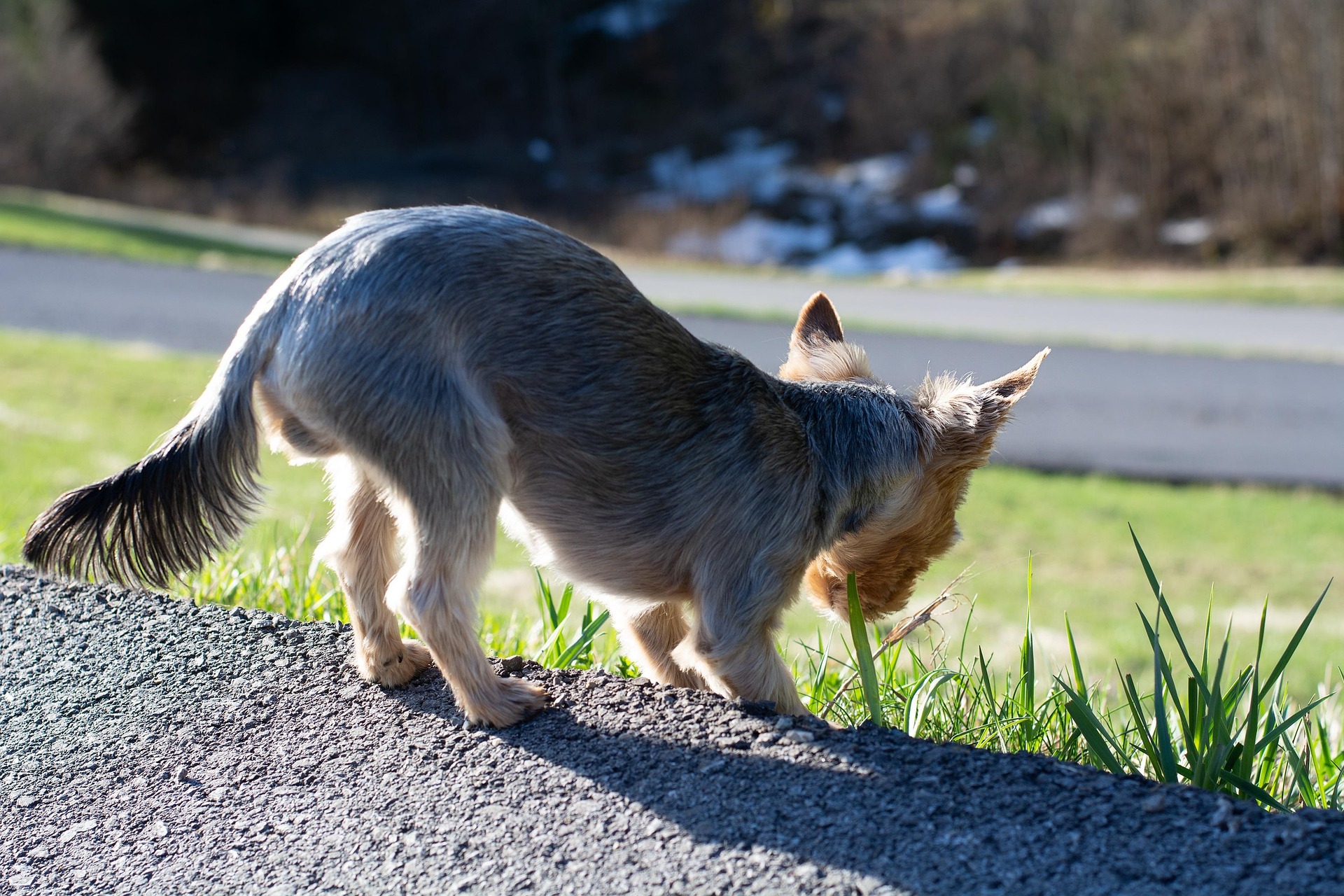
One minute your dog is happily walking through the yard.
The next minute they’re chewing on grass like it’s their favorite snack.
If you’ve ever wondered, “Why is my dog eating grass?”, you’re certainly not alone. It’s one of the most common questions veterinarians receive from concerned pet owners.
The good news is that dogs eating grass is usually a normal behavior. However, there are situations where it may indicate an underlying problem that shouldn’t be ignored.
Let’s take a closer look at why dogs eat grass, whether it’s safe, and when you should be concerned.
Dogs Have Been Eating Grass for Thousands of Years
Although dogs are classified as carnivores, they’re actually opportunistic eaters.
Wild dogs, wolves, and coyotes don’t survive on meat alone. They often consume berries, fruits, plants, and even parts of the stomach contents of their prey.
Because of this, dogs eating grass is believed to be a natural behavior that has existed for thousands of years.
For many healthy dogs, it’s simply another way of exploring their environment.
Sometimes They’re Just Curious
Dogs investigate the world with both their noses and their mouths.
Fresh grass has interesting smells, different textures, and changes throughout the seasons.
Young puppies especially enjoy tasting almost everything they encounter.
In many cases, a dog eating grass is no different than chewing on a stick or carrying around a leaf.
Do Dogs Eat Grass Because They’re Sick?
This is one of the biggest myths about dog behavior.
Many people believe dogs instinctively eat grass to make themselves vomit.
While some dogs do throw up after eating grass, research suggests that most dogs that eat grass never become sick afterward.
In other words, grass doesn’t automatically mean your dog has an upset stomach.
Could Your Dog Be Missing Nutrients?
Some experts believe certain dogs may seek out plants if their diet lacks enough fiber.
Adding more fiber through a veterinarian-approved food may reduce the behavior in some cases.
However, for most healthy dogs eating a complete and balanced diet, there is little evidence that grass eating in dogs is caused by nutritional deficiencies.
Bored Dogs Find Creative Entertainment
A bored dog often creates their own activities.
Digging.
Barking.
Chasing squirrels.
Chewing furniture.
Eating grass can easily become another way to pass the time.
Dogs that receive regular walks, interactive toys, training sessions, and mental enrichment are often less likely to develop repetitive habits.
Stress Can Trigger Grass Eating
Just like people bite their nails during stressful situations, some dogs develop unusual habits when they’re anxious.
Changes such as:
- Moving to a new home
- A new family member
- Long periods alone
- Loud noises
- Changes in routine
can sometimes increase dog grass eating behavior.
Identifying the source of stress is often more effective than trying to stop the behavior itself.
Is Eating Grass Dangerous?
Most of the time, grass itself is not harmful.
The bigger concern is what may be on the grass.
Lawns can be treated with:
- Herbicides
- Weed killers
- Fertilizers
- Insecticides
These chemicals can be dangerous if ingested.
Grass may also contain parasites or bacteria left behind by other animals.
Whenever possible, prevent your dog from eating grass in areas that may have been chemically treated.
When Grass Eating Becomes a Problem
Occasional grass eating is generally considered normal.
However, you should contact your veterinarian if your dog:
- Eats grass obsessively every day.
- Vomits repeatedly after eating grass.
- Refuses normal food.
- Has diarrhea.
- Appears tired or weak.
- Shows signs of abdominal pain.
- Suddenly develops the behavior later in life.
These symptoms may point to a medical condition that requires professional evaluation.
Can You Stop Your Dog From Eating Grass?
If your dog occasionally nibbles on grass and remains healthy, there may be no reason to stop the behavior.
If you’d like to reduce it, try:
- Longer daily walks
- More playtime
- Food puzzle toys
- Obedience training
- Safe chew toys
- Additional mental enrichment
Keeping your dog engaged often reduces unwanted habits naturally.
Every Dog Has Different Habits
Some dogs never touch grass.
Others sample it during every walk.
Many owners spend years worrying about why their dog eats grass, only to learn it’s simply part of that dog’s personality.
The important thing is paying attention to the whole picture.
If your dog is energetic, eating normally, maintaining a healthy weight, and acting like themselves, occasional grass eating is rarely cause for alarm.
Seeing your dog eating grass can be surprising, but in most cases it’s perfectly normal. Curiosity, boredom, instinct, or simple enjoyment are among the most common reasons dogs chew on grass. The key is making sure your dog isn’t eating grass treated with chemicals and watching for other symptoms that could indicate illness.
Knowing the difference between normal behavior and warning signs helps you make the best decisions for your dog’s health and happiness.
Disclaimer
This article is intended for informational and educational purposes only and should not replace professional veterinary advice. Every dog is unique, and behaviors such as eating grass can have different causes depending on age, breed, health, diet, and individual circumstances. If your dog frequently eats grass, becomes ill, vomits repeatedly, or shows any signs of discomfort, consult a licensed veterinarian for an accurate diagnosis and appropriate treatment.
Related Posts